
/06
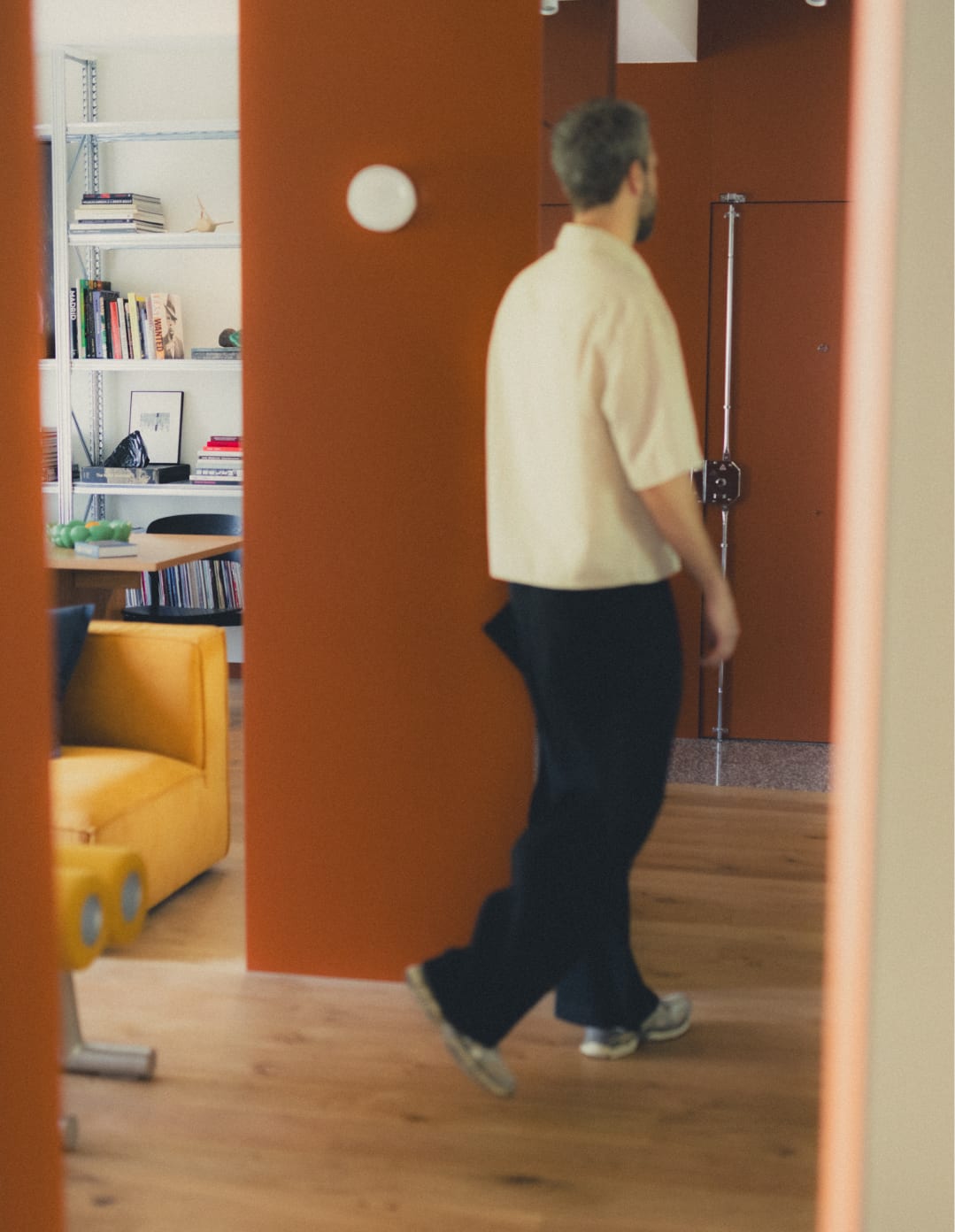
ESTUDIORECIENTE STEMS FROM A CROSS-DISCIPLINARY CONCEPTION OF DESIGN, WHERE THE BOUNDARIES BETWEEN DISCIPLINES SUCH AS ARCHITECTURE, INTERIOR DESIGN OR PRODUCT DESIGN BLUR. FOUNDED BY CARLOS TOMÁS IN MADRID IN 2018, THE USE OF COLOUR AND THE EXPRESSIVE PLASTICITY OF MATERIALS APPEARS AS A CONSTANT IN ALL ITS PROCESSES, REGARDLESS OF THE SCALE OF THE PROJECT.
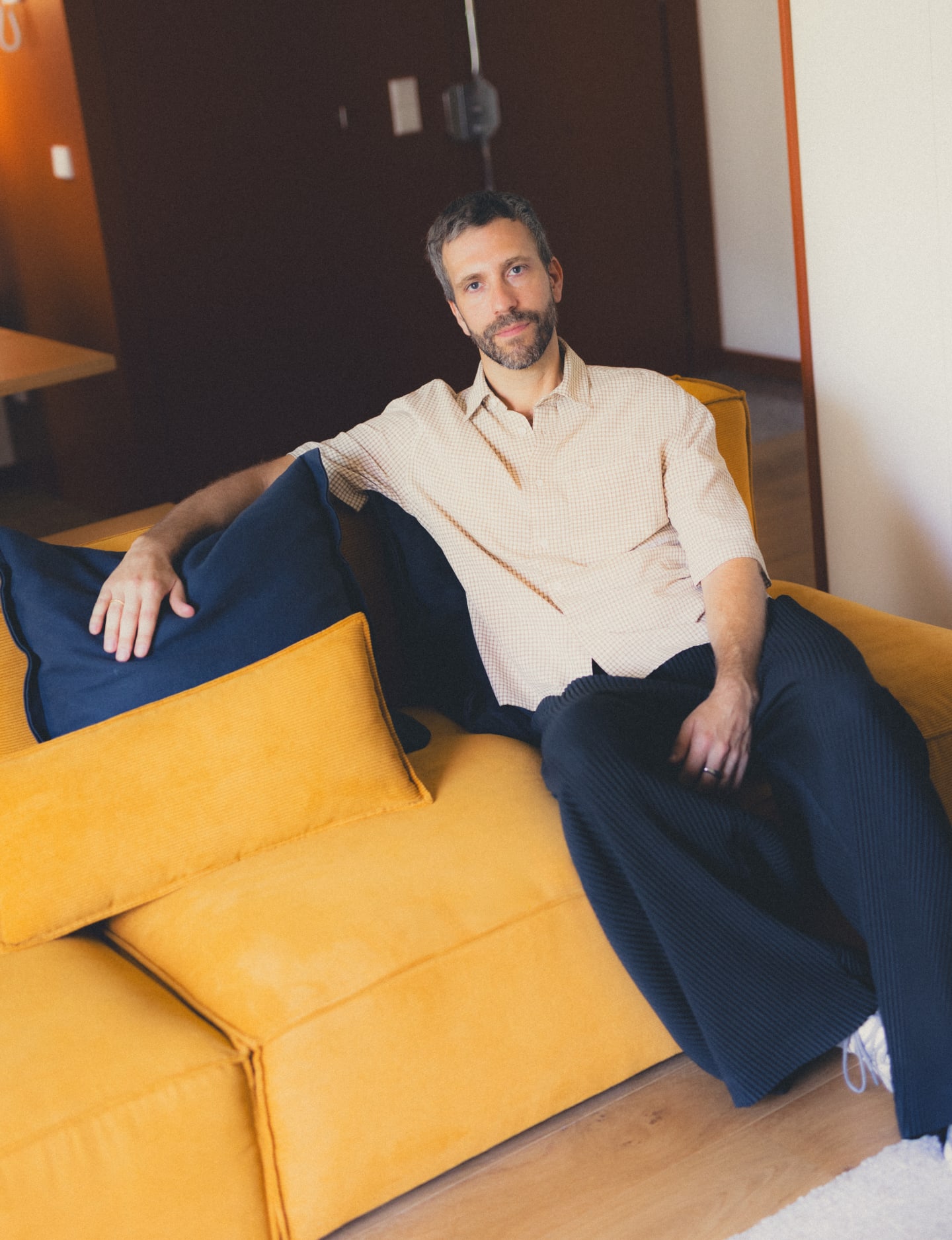

For those who don't know you yet, Carlos, how do you define yourself professionally and what are you most passionate about when it comes to bringing a space to life?
I am the founder of Estudio Reciente. I trained as an architect, but over time I found myself drawn closer and closer to the world of interior design. Architecture gave me a very solid foundation for understanding spaces, how they function and their construction, but I discovered that I was particularly interested in pursuing a more conceptual and creative dimension. Interior design is a discipline that, whilst it also has its constraints, allows greater freedom to explore ideas, work with materials, colours, furniture or lighting, and get much closer to the world of design and product.

"When you start working on a specific space, constraints, materials, relationships and combinations appear that you hadn't anticipated at the beginning. And it is precisely there that the most interesting solutions usually emerge."

Before returning to Madrid and founding Estudio Reciente, you spent some time in Switzerland... What elements of that period can be found in your designs today?
I learnt a great deal about the more functional side of architecture: from construction and detailing to floor plans and space optimisation. These are aspects that can sometimes seem less visible or even less glamorous than other, more creative parts of a project, but in reality, they are what support everything else.
"Bad interior design is that which doesn't spark any curiosity. It doesn't make you want to know more, it doesn't invite you to notice the details and, above all, it leaves you with nothing you want to add to your own archive of references."
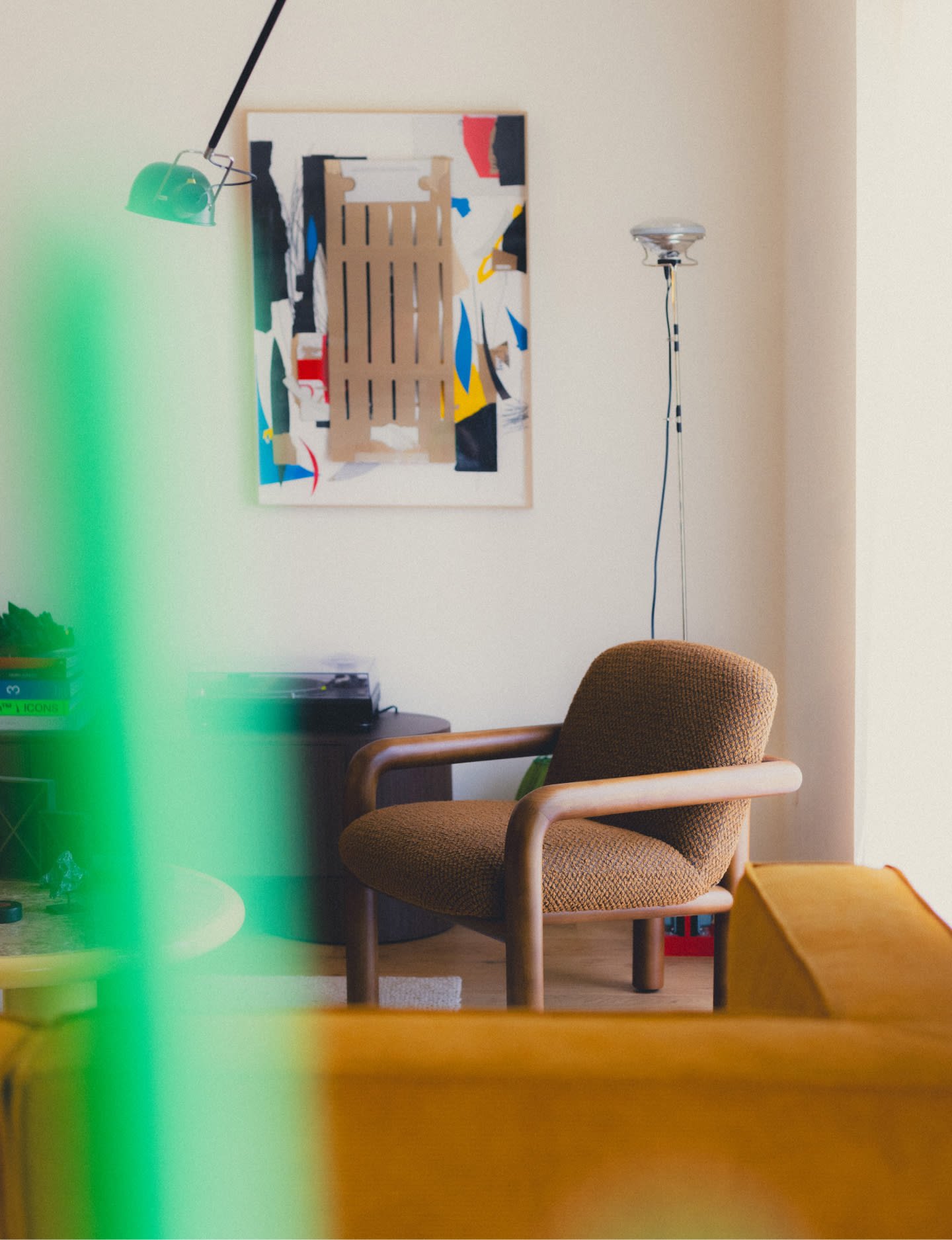
How did the initial idea for this project come about? What was the main concept that guided the entire design?
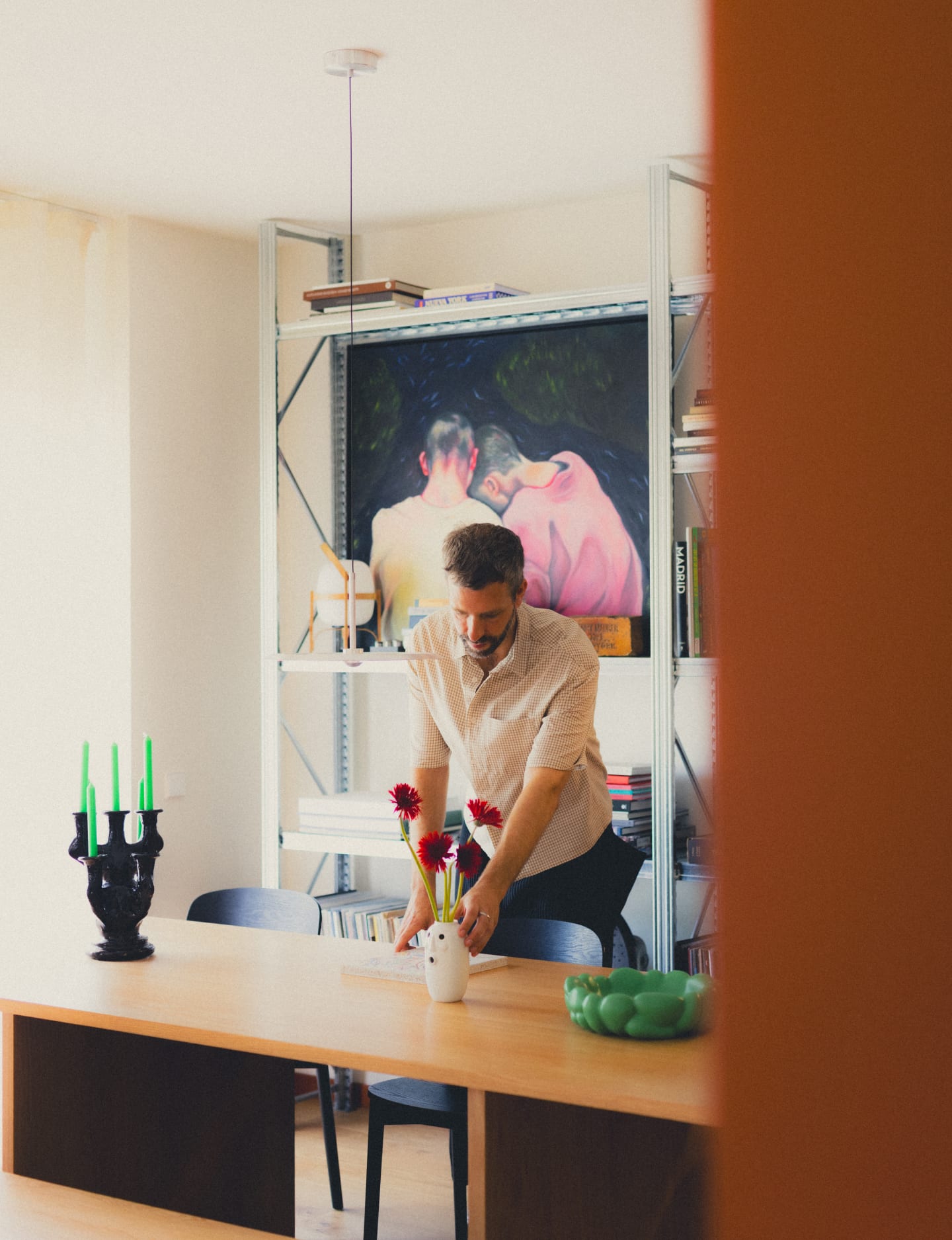
"The idea emerged from the initial references provided by Kike and Laura, the owners of the house. Having lived in New York for over eight years, they were very fond of that early-2000s NYC apartment style: almost neutral, white-box spaces where the focus falls on the pieces you gradually incorporate, the art and the way the home is inhabited.
We started with that idea, but we wanted to give it a twist. We don't really believe in the white box as a completely passive backdrop; instead, we believe in creating a structure that helps build the space's personality. That's why we designed a series of bespoke elements to organise the home, such as the two large, contrasting colour blocks."
What percentage would you say the selection of furniture pieces accounts for in good interior design?
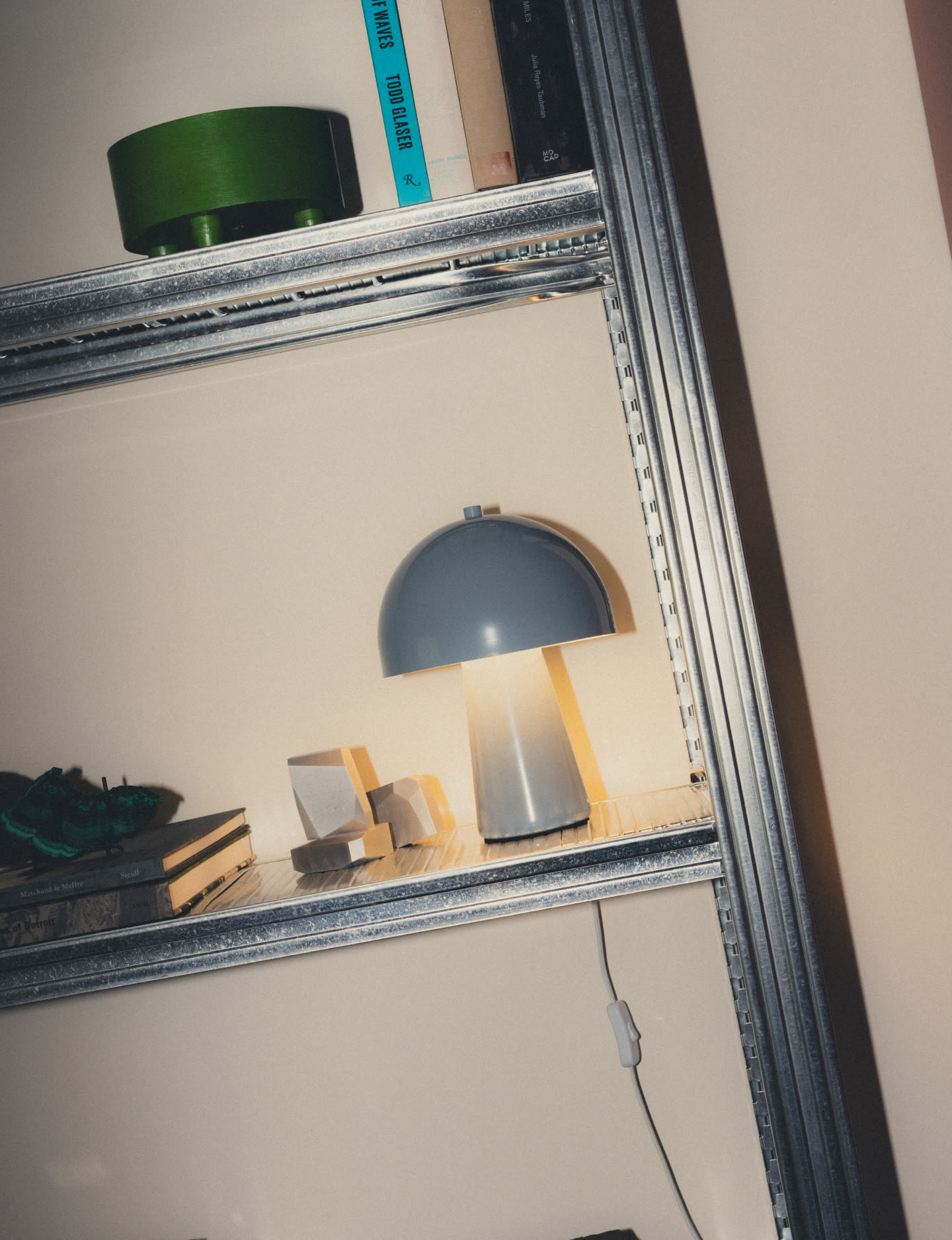
The right selection of furniture pieces is key. We are fortunate that more and more of our clients understand this point and delegate the selection to us. Decorative lighting, furniture or art are the final layer of information in a long process that can be ruined at the last minute.
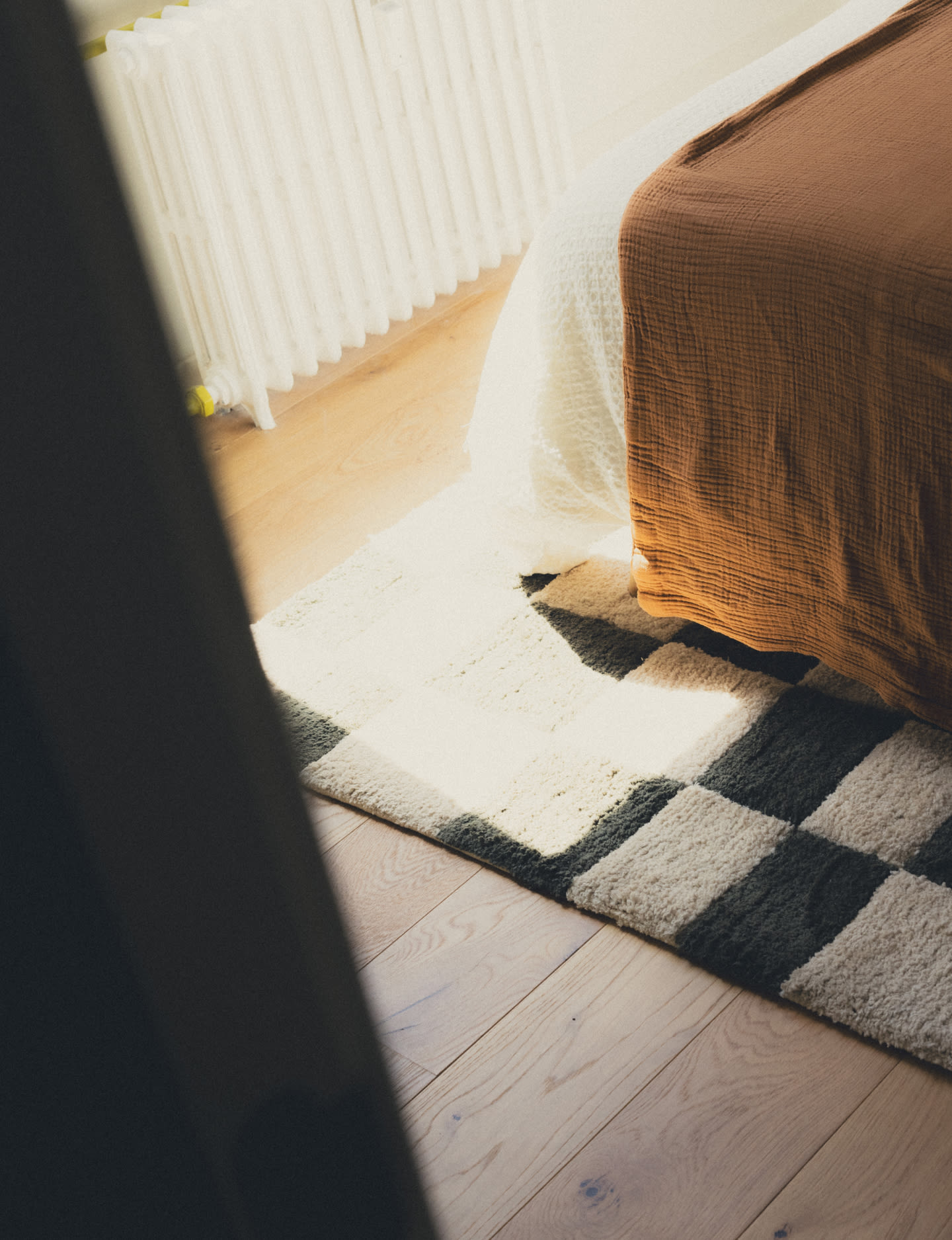

Why do you choose The Masie?
We needed pieces with personality, capable of bringing character without losing functionality. The Masie's items are bold, colourful and highly striking; they could almost be seen as iconic pieces within the space. They are those elements that finish off the project.
What do our furniture pieces inspire in you?
What inspires me most about your furniture is that it has a very clear identity. At a time when many collections end up looking alike, your catalogue offers original pieces with personality, capable of surprising. As a designer, that is always stimulating because it opens up possibilities and moves you away from overly predictable solutions.

"Simple complexity, contained exaltation and raw refinement. Harmony is balance."

Favourite piece from The Masie
Karyna bedside table.
A colour
Almost all greens.
Favourite style
Modern Movement.
Museum piece
The cantilevered staircase at the Luis Barragán House and Studio in Mexico City.
Your references
Jo Taillieu and the young Belgians.
A book
Aalto in Detail: A Catalog of Components