
















Filters ( Filters applied)
Bedroom Furniture
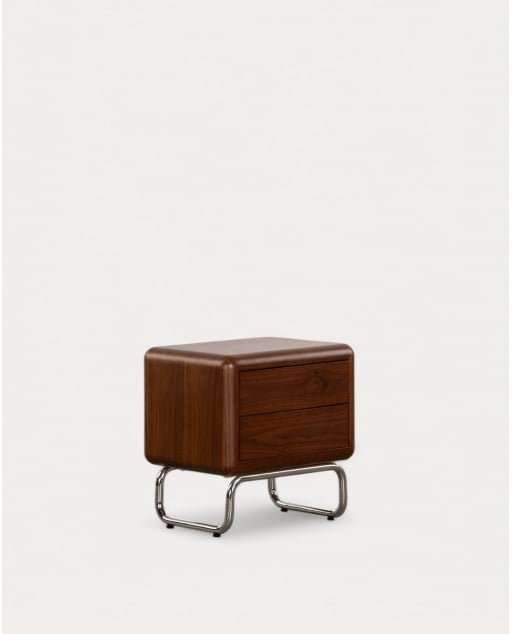
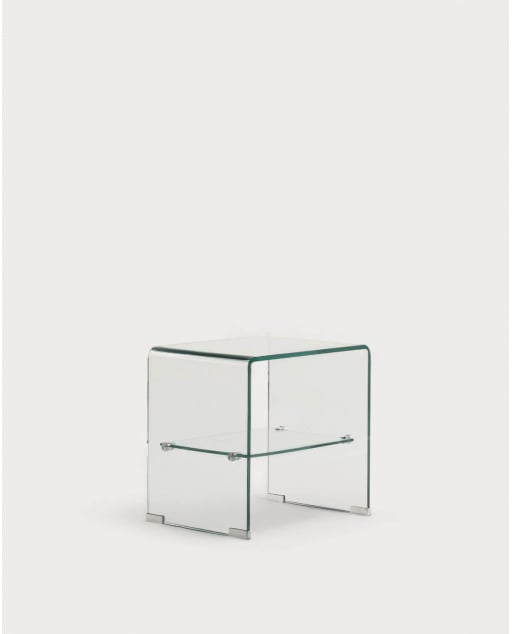
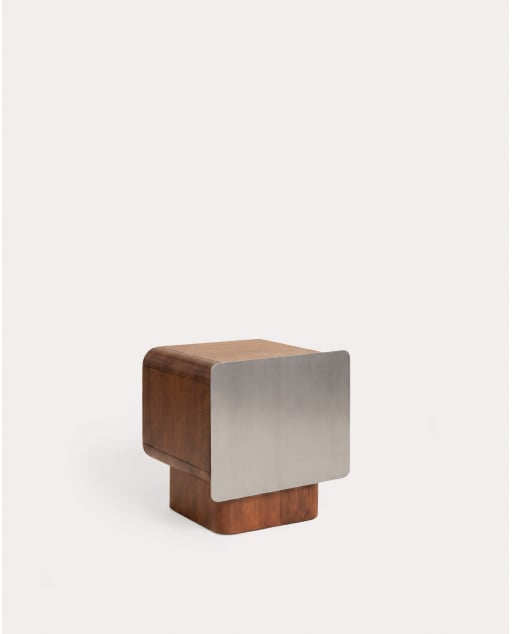
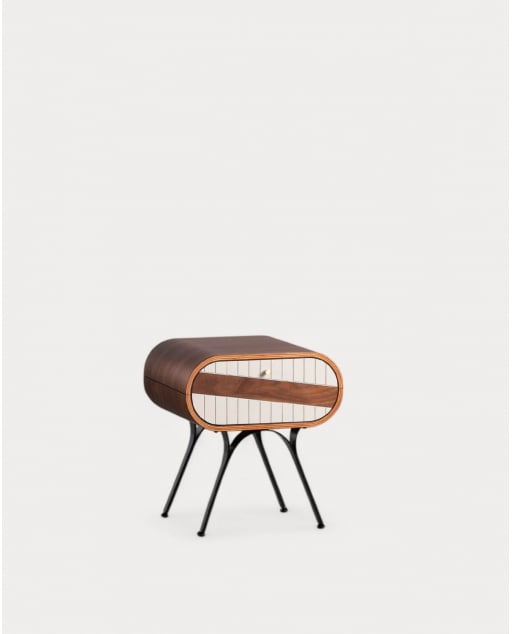
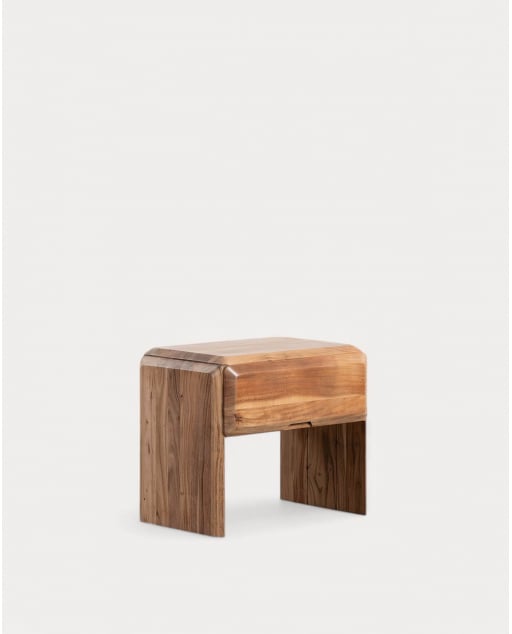
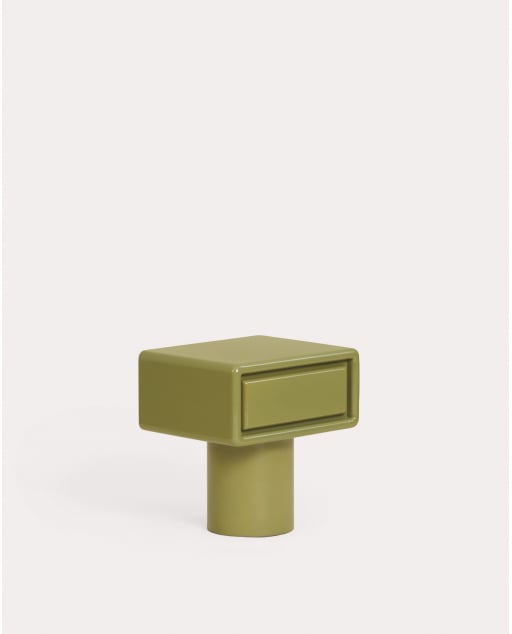
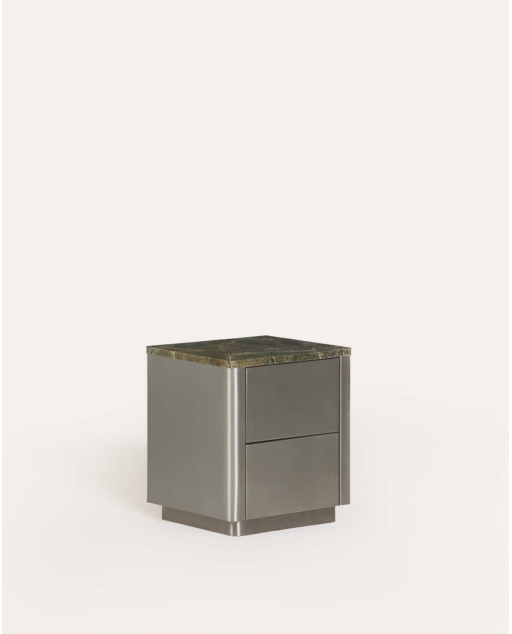
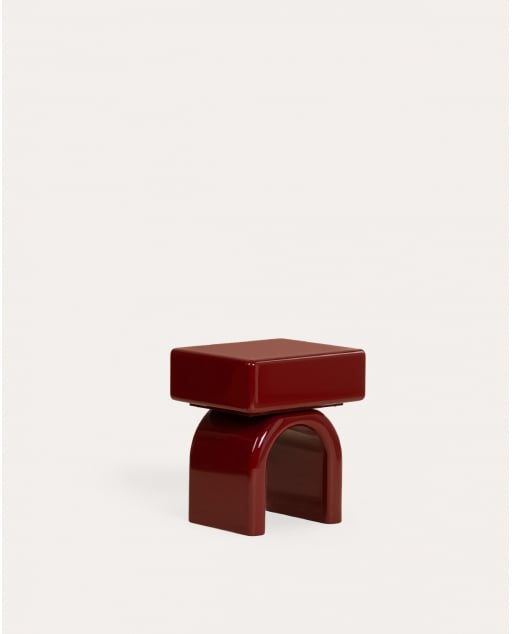
The bedroom is the only space in the house where time truly belongs to you. At The Masie , we've selected bedroom furniture that understands this—pieces where material and proportion work together to create something that transcends mere storage or rest. Headboards that transform the bed into the visual centerpiece it deserves, nightstands that combine presence and functionality without sacrificing either, and chests of drawers and dressers that organize without compromising on character. Discover The Masie collection.
New
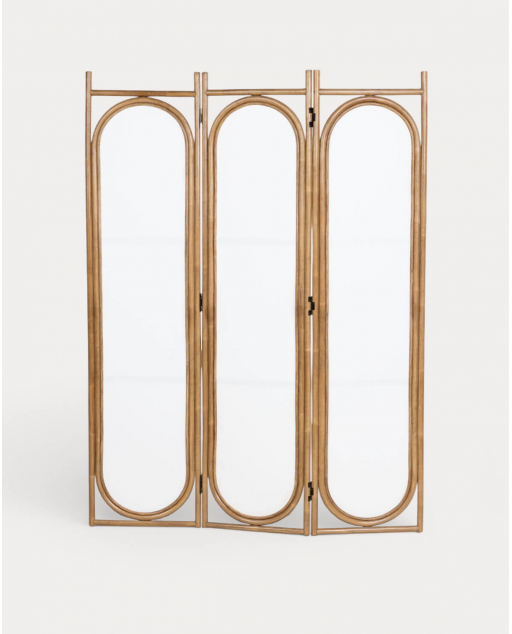
Narella
209.95
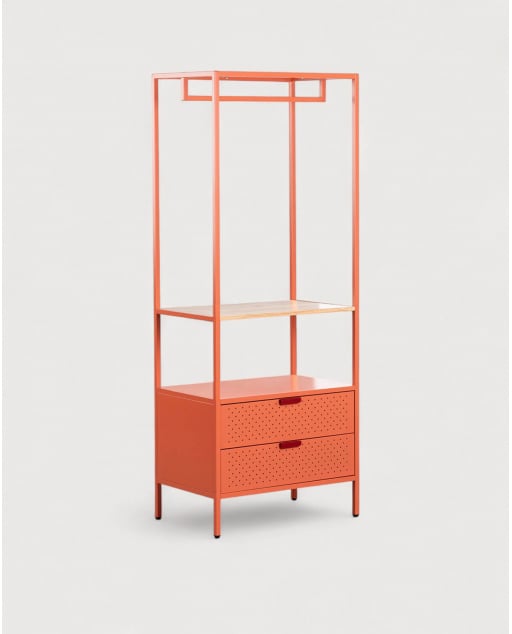
195x145 cm natural rattan room divider Narella
Orlean
1,079.95
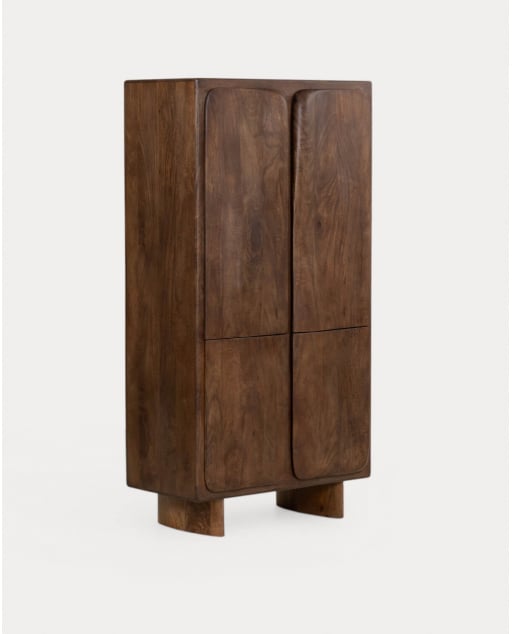
4-door wardrobe 175x90 cm in mango wood Orlean
Reichel
12
209.95
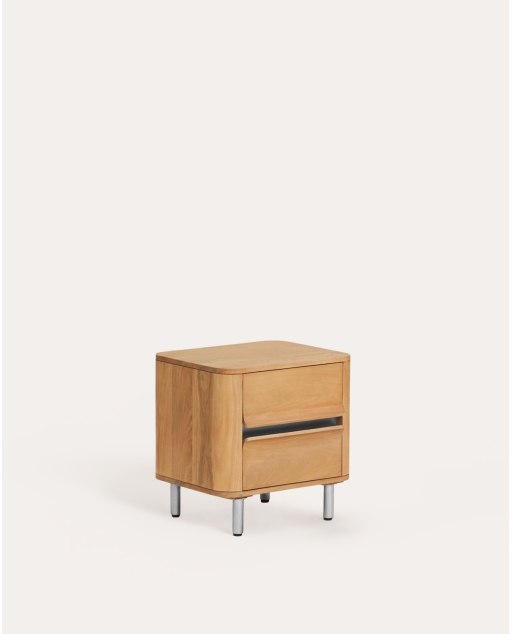
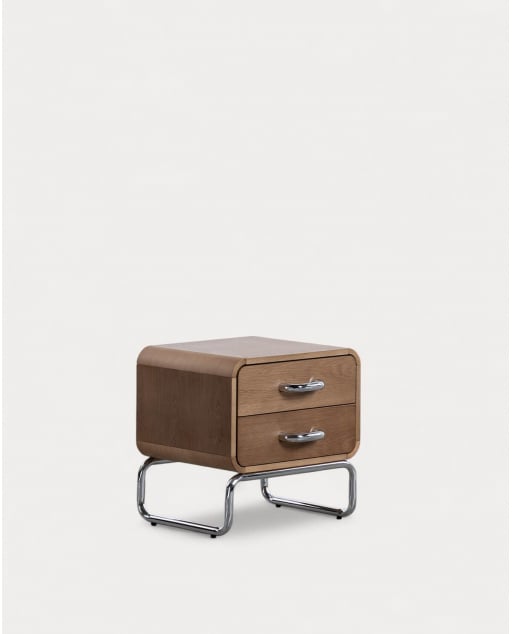
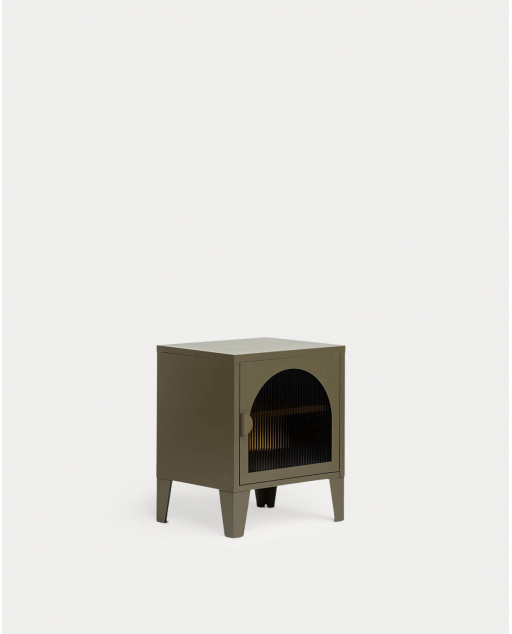
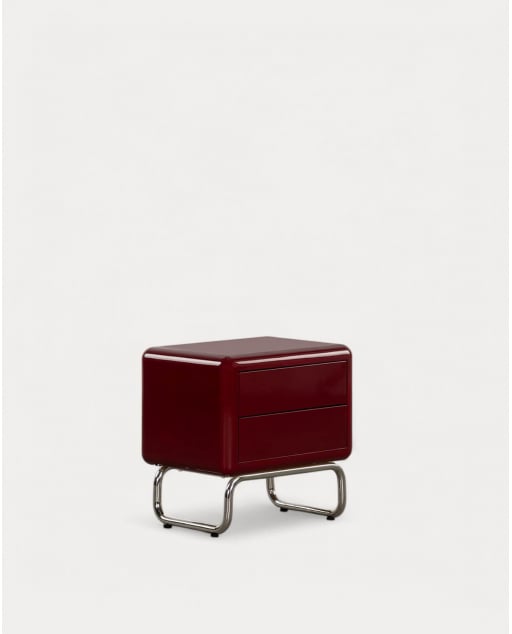
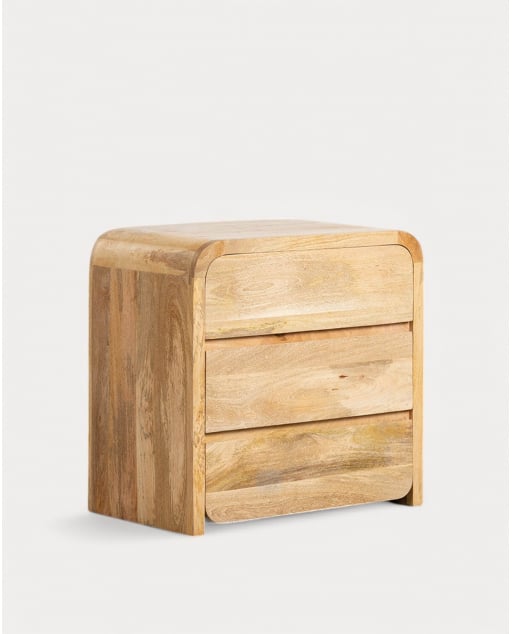
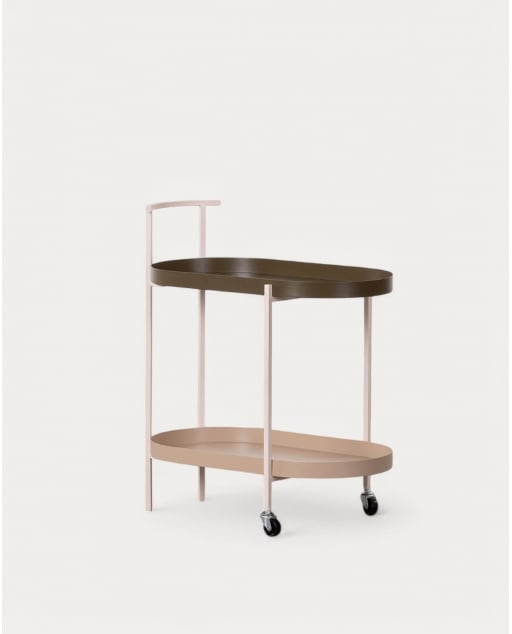
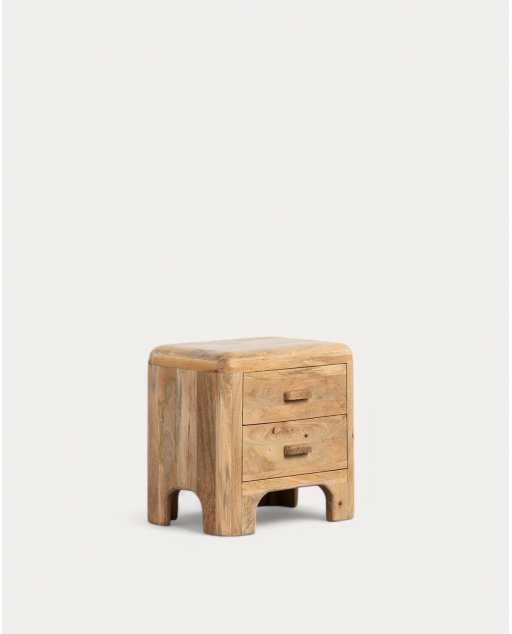
Reichel rectangular bedside table 54,5x40 cm with 2 mango wood drawers
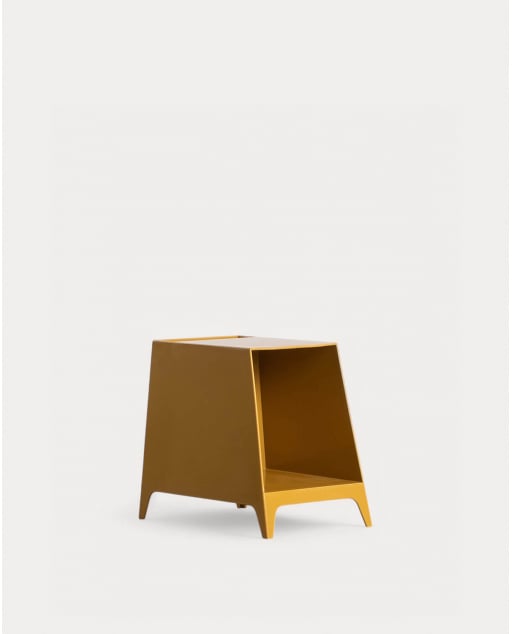
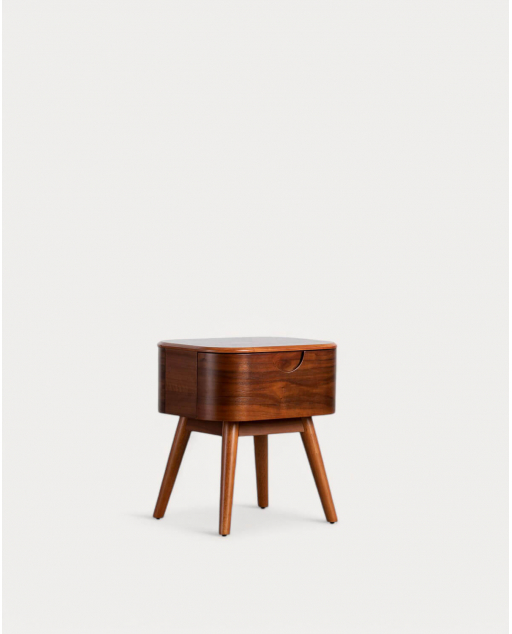
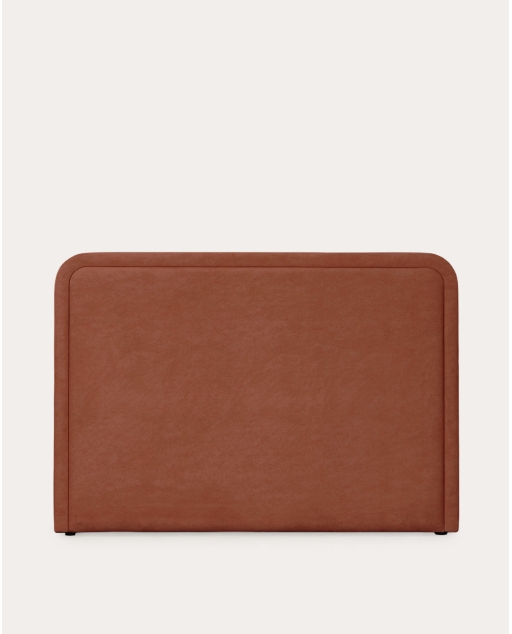
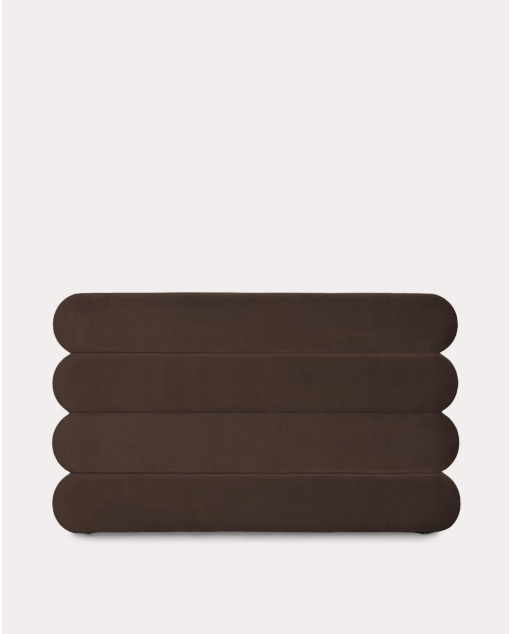
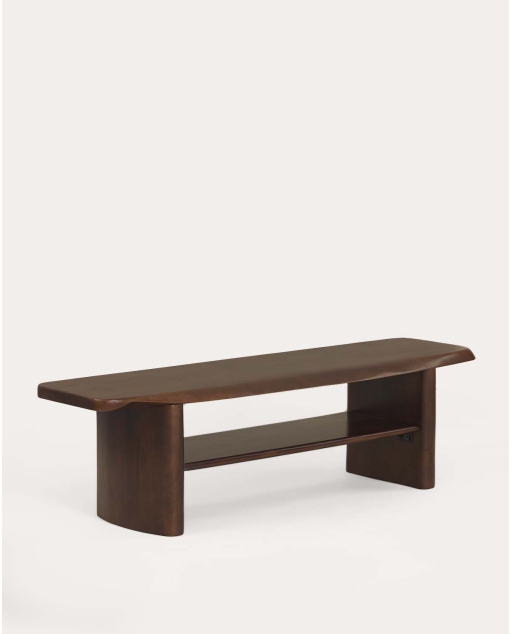
Orlean
334.95
Shoe bench 160x45 cm made of mango wood Orlean
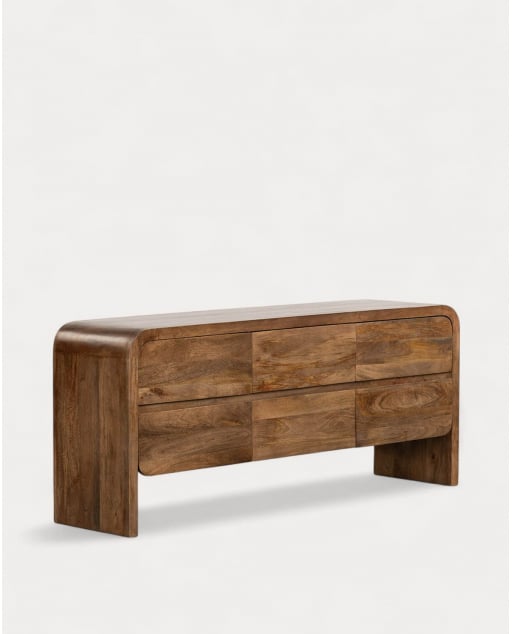
Orlean
224.95
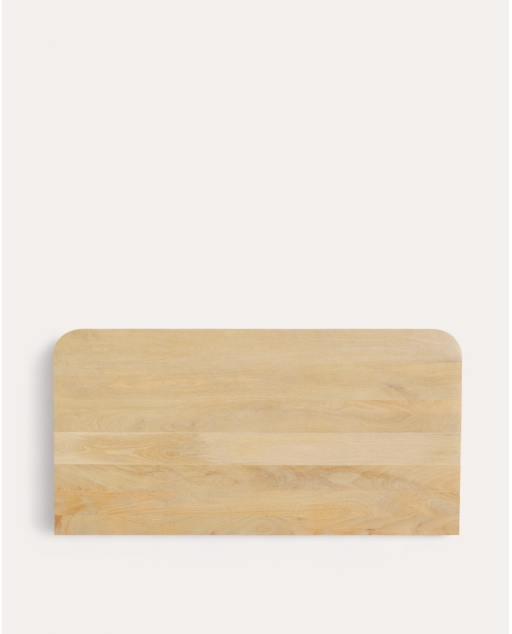
Breites Bettkopfteil 100 cm aus Mangoholz Orlean
You've viewed 40 products out of 40
Bedroom furniture: creating a more intimate and personal space
The living room is decorated for others. The bedroom is decorated for yourself. And that changes everything—the way you choose, what matters, what you remember. A well-chosen bedroom piece doesn't have to impress anyone: it has to work every day, stand the test of time, and ensure that the space where you start and end your day is exactly what you wanted. At The Masie, we've selected pieces that understand this difference.
What defines a good selection of bedroom furniture isn't the number of options, but the harmony between them. A headboard with character, a bedside table that complements it without competing with it, a chest of drawers that solves storage problems without becoming an eyesore. Pieces that coexist well because they share the same vision of what a bedroom should be: a calm space, with its own personality and without superfluous elements.
Bedroom furniture for a multitude of tastes and uses
It depends less on the style of your home and more on how you want the space to make you feel. Natural wood finishes—oak, ash, walnut—provide warmth and texture that lacquered materials lack. Off-white or greige in a matte lacquer create that sense of order and visual calm that many bedrooms seek but few achieve. Metal—in matte black, brass, or copper—adds a structural counterpoint that works especially well in combination with soft textures: linen, velvet, bouclé.
One constant, however, is that the bedroom needs coherence. Not uniformity—it doesn't all have to be the same color or from the same collection—but rather a common thread. A recurring material, a tone that appears in more than one piece, a visual logic that makes the whole thing make sense. Choosing bedroom furniture as a set, even if it comes from different sources, always yields better results than choosing pieces separately.
Bedroom furniture with The Masie quality seal
Our selection includes upholstered and wooden headboards for beds of all sizes, bedside tables with and without storage, dressers and chests of drawers for organizing without visually cluttering the space, and bedroom mirrors that enhance the perception of space and amplify light. In all cases, the selection prioritizes pieces with well-executed finishes and proportions designed for seamless integration.
Our decorating experts' advice: how to integrate a new piece of furniture into your bedroom
The most common mistake when decorating a bedroom is overcrowding it. The bedroom is the space where fewer elements have the greatest impact—provided each one is well-chosen. If the headboard makes a statement, the bedside table doesn't need to be the centerpiece: a simple piece, made of good material and the right size for the height of the bed, is enough. A dresser or vanity works better against a side wall than opposite the bed—it prevents the eye from being overwhelmed by too many focal points at once. And a mirror, if there is one, always enhances the space more when it reflects natural light than when it reflects another wall. Fewer choices, better pieces, more space between them: that's the formula.
Frequently asked questions about bedroom furniture
What dimensions should a bedside table have?
The ideal height for a bedside table is between 50 and 65 cm, level with the mattress or slightly higher. As for the depth, between 35 and 50 cm is sufficient for most uses—a lamp, a glass of water, a book—without obstructing the side passage. If the space between the bed and the wall is tight, a bedside table with thin legs or a floating design visually creates more space than one with a solid base.
Upholstered or wooden headboard?
It's as much a matter of function as aesthetics. An upholstered headboard —in linen, velvet, or bouclé—adds texture, absorbs sound, and is more comfortable if you tend to lean against it to read. A wooden headboard has more visual structure, withstands the test of time better without needing maintenance, and fits particularly well in bedrooms with other wooden elements. Both work: the difference is what you want that space to do for you.
How to choose a dresser that doesn't take up too much space?
The trick isn't just in the dimensions, but in the design. A chest of drawers with legs—even one just a few centimeters tall—visually takes up less space than one that reaches the floor, because it allows the eye to pass underneath. Light finishes or handleless fronts help the piece blend in rather than dominate. And if space is truly limited, a tall, narrow chest of drawers solves the storage problem with less of a footprint on the floor than a wide, low chest.
What type of wood is best for bedroom furniture?
There isn't one that's simply the best—there's the one best suited to your needs. Oak is durable, has a clean grain, and ages beautifully: it's the most versatile. Walnut adds more drama with its dark tone, ideal if you want the piece to have presence. Ash is lighter and more airy in appearance, suitable for bedrooms where brightness is desired. The wood type and finish are clearly specified on each product page.
Can styles be mixed in the bedroom?
Yes, with one condition: that there's something that connects them. Mixing a black metal side table with a beige upholstered headboard works because they share the same neutral palette. Mixing natural wood with linen works because they both belong to the same universe of organic materials. What doesn't work so well is mixing haphazardly—each piece from a different world, with nothing to bridge the gap. The bedroom is less forgiving of visual clutter than the living room, precisely because
You may also like